
Northern Maine Course Page
Course Coordinators: Ellen Gellerstedt, Grace Bartlett, Bill Kolodnicki, and Cathy Lookabaugh
Location: Stearns Middle & Senior High School in Millinocket (Exact Location Here); Online/Zoom
Email: mmnpnorthernmaine2026@gmail.com
Student Resources
Course Dates
| SATURDAY (in-person) classes run from 9:30am-3:30pm. THURSDAY (zoom) classes run from 6:30-9pm. Zoom Meeting Details https://us02web.zoom.us/j/86839342875 Meeting ID: 868 3934 2875 |
| January | February | March | April | May |
|---|---|---|---|---|
| Sat 1/3: Taxonomy; Phenology & Delimited Site; Nature Journals ______ Thur 1/8: Ecological Principles ______ Thur 1/22: Mammal Tracks and Signs | Sat 2/7 (*snow 2/14): Mammal Tracks and Signs; Mammal Skulls and Scat ______ Thur 2/12: Volunteering ______ Thur 2/26: Winter Trees | Thur 3/12: Birds (Part 1) ______ Sat 3/14 (zoom): Winter Tree; Winter Botany ______ Thur 3/26: Birds (Part 2) | Thur 4/9: Vernal Pools ______ Sat 4/11: Birds; Herps; Winter Weeds ______ Thur 4/23: Wildflowers | Sat 5/2: Vernal Pools; Geology ______ Thur 5/14: Summer Trees ______ Thur 5/21: Ferns |
| June | July | August | September | October |
|---|---|---|---|---|
| Sat 6/6: Summer Trees & Bark; Ferns; Volunteering ______ Thur 6/11: Insects ______ Thur 6/25: Aquatic Ecology | Sat 7/18: Aquatic Ecology; Insects; Volunteering ______ Thur 7/23: Braiding Indigenous Knowledge As A Maine Master Naturalist | Sat 8/1: Wildflowers & Fruits; Volunteering ______ Thur 8/13: Lichens ______ Thur 8/27: Fungi/Mushrooms | Thur 9/10: Mosses ______ Sat 9/12: Lichens; Fungi ______ Thur 9/24: Odds and Ends; Stories of the Land | Sat 10/3: Volunteer Presentations & GRADUATION!! |
| *Please note that snow day dates are only used in the event of a class cancellation. |
Class Resources and Assignments
| All class materials are located within a Google Drive. For each class period below, please click on the topic link(s) to view the associated google drive sub-folder for that lesson. If you have any access issues please reach out to your course coordinators at mmnpnorthernmaine2026@gmail.com |
January 2026
Saturday, January 3rd
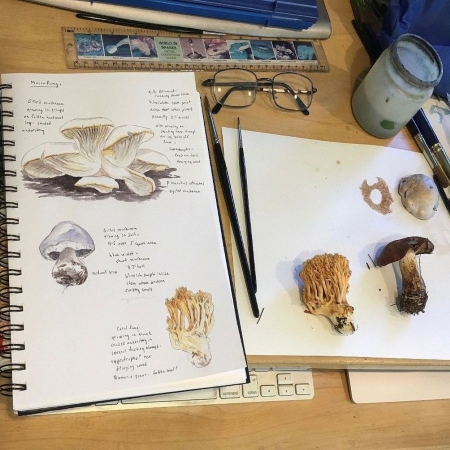
“Look deep into nature and then you will understand everything better.” ~Albert Einstein
Week’s Topics:
Prepare for class:
We are so excited to meet everyone! Please plan to arrive a little early to settle in before class.
This day will include the following:
-Morning (9:30-11:30): Introductions, Course Overview, Class Photo, Topic Presentation of Phenology and Delimited Site
-11:30am: Lunch & Breakout Mentor Groups
-Afternoon (12:15-3:30): Topic Presentations of Taxonomy & Nature Journaling, Q&A time
Pre-Class Assignments:
-Review Student Handbook pp. 2-5 (Introduction to course and course expectations)
-Review Student Study Guides linked below
Bring to Class:
–Taxonomy Student Study Guide PDF
–Taxonomy Creating A Dichotomous Key PDF
–Taxonomy Template For Dichotomous Key Construction (pdf version)
–Taxonomy Glossary PDF
–Nature Journaling Student Study Guide PDF
–MMNP Nature Journaling Guide PDF (we will print this for you!)
–Delimited Site PDF
-Notebook and writing implement(s)
-Plain copy paper or a journal or sketchbook
Homework:
| Due at this class: ▢ None |
| To be assigned: Taxonomy (due Jan 8th): ▢ Build a dichotomous key using the provided silverware photo ▢ Complete Taxonomy Topic Quiz Ongoing assignments: ▢ Delimited Site: Find a delimited site (by end of January) and begin observations as noted in Delimited Site PDF |
Thursday, January 8th
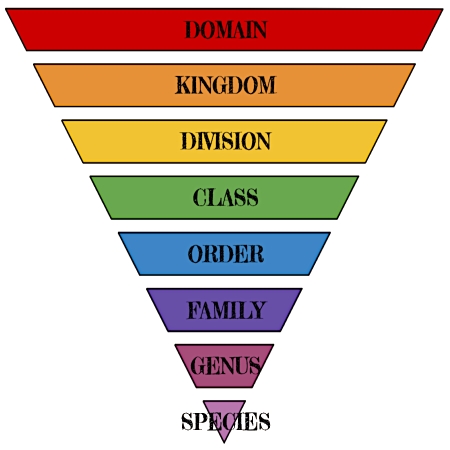
“If you do not know the names of things, the knowledge of them is lost, too.” ~Carl Linnaeus
Week’s Topic:
Prepare for class:
Pre-Class Assignments:
-None
Bring to Class:
–Ecology Student Study Guide
–Ecology Glossary PDF
-Notebook and writing implement(s)
-Hand lens
-Ruler
Homework:
| Due at this class: ▢ Silverware dichotomous key ▢ Taxonomy Topic Quiz Completed ▢ Delimited Site selected and observations started |
| To be assigned: ▢ Delimited Site Observation assignment: after choosing and describing your site, describe a simple food web based on species or signs you observed at your site. Draw a simple food web and label at least one producer, consumer, and decomposer. Note the evidence for each of these roles. ▢ Ecological Principles Topic Quiz (due Jan 22nd) |
Thursday, January 22nd
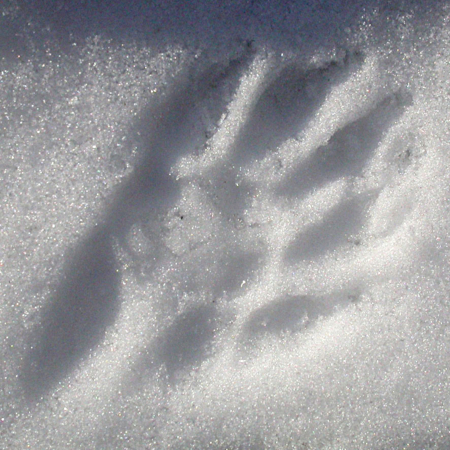
“Never forget the trail, look ever for the track in the snow; it is the priceless, unimpeachable record of the creature’s life and thought, in the oldest writing known on the earth.” ~Ernest Thompson Seton
Week’s Topic:
Prepare for class:
Pre-Class Assignments:
-None
Bring to Class:
–Mammals Tracks & Sign Student Study Guide PDF
-Mammal Tracks and Scat: Life-Size Pocket Guide by Lynn Levine
-Scat Finder booklet by Dorcas Miller
-Notebook and writing implement(s)
-Hand lens
-Ruler
Homework:
| Due at this class: ▢ Delimited Site selected and observations started (if not already done so) ▢ Ecological Principles Topic Quiz Completed |
| To be assigned: Ongoing assignment begins: ▢ Mammal Tracks & Signs: Journal tracks and signs you find this winter as noted in the Mammal Tracks and Signs PDF (due by end of February) ▢ Mammal Tracks & Signs Topic Quiz (due Feb 7th) Please complete the feedback survey for this class here. |
February 2026
Saturday, February 7th
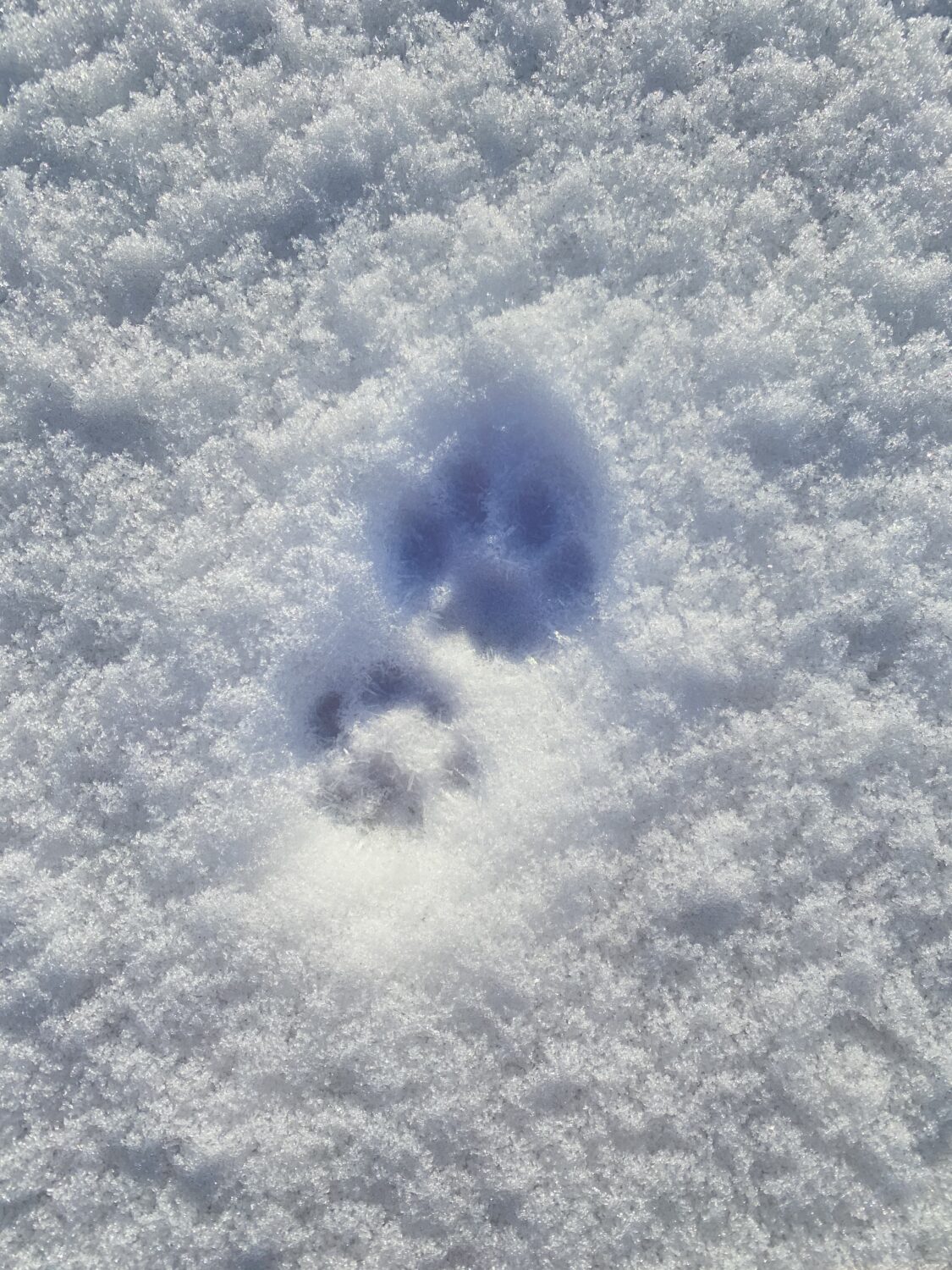
“Everything on the earth leaves a story” ~Tom Brown Jr.
Week’s Topics:
Prepare for class:
This day will include the following:
-Morning (9:30-11:45): Tracking *Plan to be outside, in the cold! Please bring good traction!
-11:45am: Lunch
-Afternoon (12:15-3:30): Skulls, Scat, and Mammals *Note: we will be looking at mammals that have died and are frozen. We will provide masks and gloves.
Pre-Class Assignments:
-Review all the PDFs particularly the handout “What You Can Learn From a Skull”
Bring to Class:
–Mammals Tracks & Sign Student Study Guide PDF
-Mammal Tracks and Scat: Life-Size Pocket Guide by Lynn Levine
-Scat Finder booklet by Dorcas Miller
–Mammal Skulls & Scat Student Study Guide PDF
-Maine Mammals Skull handout
–Attributes of Skulls Worksheet PDF – print
–Skulls Identification Worksheet PDF – print
–New Species Report – print
–Owl Pellet Activity PDF – print
–Discovery Box Homework PDF
-Notebook and writing implement(s)
-Hand lens
-Ruler
Homework:
| Due at this class: New observations for ongoing assignments: ▢ Delimited Site observations ▢ Phenology observations ▢ Mammal Track observations |
| To be assigned: Mammal Skulls & Signs (due Feb 12th): ▢ Mammal Skulls & Signs Topic Quiz ▢ Skulls ID Worksheet (due Feb 26th): ▢ Owl Pellet Dissection Activity ▢ Discovery Box identifications Please complete the feedback survey for this class here. |
Thursday, February 12th
“Even the tiniest of flowers can have the toughest roots.”~ Shannon Mullen
Week’s Topic:
Prepare for class:
Pre-Class Assignments:
-Read Volunteering section of Student Handbook
Bring to Class:
–Volunteer Student Study Guide (pdf)
–Considerations for Leading Your First Nature Walk (pdf)
-Notebook and writing implement(s)
Homework:
| Due at this class: ▢ Skulls ID Worksheet Completed ▢ Mammal Skulls & Signs Topic Quiz Completed |
| To be assigned: Volunteering: ▢ Review MMNP Mission and vision with respect to volunteering ▢ Attend/make a plan to attend an organized walk and provide a critique (prior to July) ▢ Attend/make a plan to attend an organized bird walk and provide a critique (prior to July) Mammal Tracks & Signs (due by end of Feb): ▢ Complete winter observations Please complete the feedback survey for this class here. |
Thursday, February 26th
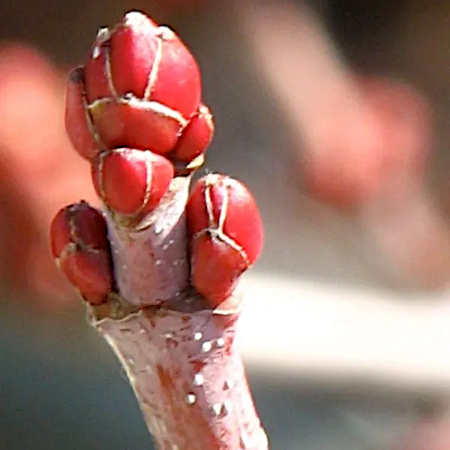
“The winter tree is a snowflake dressed in grace and bones, a simple miracle to behold on winter’s lonely road.” ~Angela Weiland-Crosby
Week’s Topic:
| Winter Trees From Susan – “Check this out!”: Small Wonders: Winter Tree Bingo – Maine Audubon |
Prepare for class:
Pre-Class Assignments:
-Print the two PDFs on the study guide and review those as well as the vocabulary in the Study Guide.
-There is no separate Glossary for this topic.
Bring to Class:
–Winter Trees Student Study Guide PDF
-Notebook and writing implement(s)
-Hand lens
-Forest Trees of Maine book
–Twig Terminology PDF
–Tree Bark ID PDF – print (black & white is fine)
Homework:
| Due at this class: ▢ Owl Pellet Dissection assignment ▢ Discovery Box identifications answers sent to instructor ▢ Plan for attending an organized walk ▢ Plan for attending an bird walk ▢ Final Mammal Track observations |
| To be assigned: Winter Trees (due by Mar 12th): ▢ ID tree twigs in the field and collect 5 winter twig species. Sketch and label identifying characteristics. ▢ Bark: observe 5 common deciduous trees and one white pine. Sketch the bark of each, describe the bark, label the tree species, ID the type of bark. ▢ Develop a Personal Tree Guide on at least 5 trees, including characteristics for winter ID, bark, twigs, fruit present, shape of tree, location of the tree, etc. ▢ Winter Trees Topic Quiz Ongoing assignment: ▢ Begin the Adopt a Tree exercise outlined in the Winter Trees PDF Please complete the feedback survey for this class here. |
March 2026
Thursday, March 12th
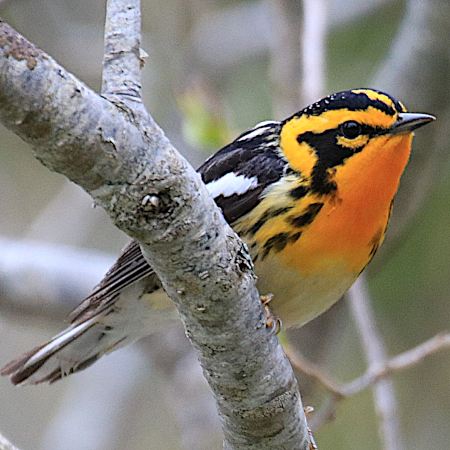
“A bird does not sing because it has an answer, it sings because it has a song.” ~Maya Angelou
Week’s Topic:
| Birds (Part 1) |
Prepare for class:
Pre-Class Assignments:
-Review Birds Glossary PDF and Bird Respiration Mechanism PDF
Bring to Class:
–Bird Student Study Guide PDF
-Notebook, journal, and writing implement(s)
-Sibley Field Guide to Birds of Eastern North America book
–Birds Glossary PDF
–Bird Respiration Mechanism PDF
–Hands On Birds PDF
Homework:
| Due at this class: New observations for additional ongoing assignments: ▢ Delimited Site observations ▢ Adopt a Tree observations |
| To be assigned: Birds: ▢ Complete Bird Beaks Worksheet (due 4/9) ▢ Bird Topic Quiz (due 4/9) ▢ Complete a brief report for two birding outings: a summer birding trip (prior to July) and a fall birding trip (prior to Sept) ▢ Ongoing assignment – ID 10 species of birds in the field (can work together): note the date, time, location, try to sketch the bird, or take a photo. Add the season of the year the bird is in Maine, preferred habitat, any behavior clues to ID, field marks and voice. Please complete the feedback survey for this class here. |
Saturday, March 14th
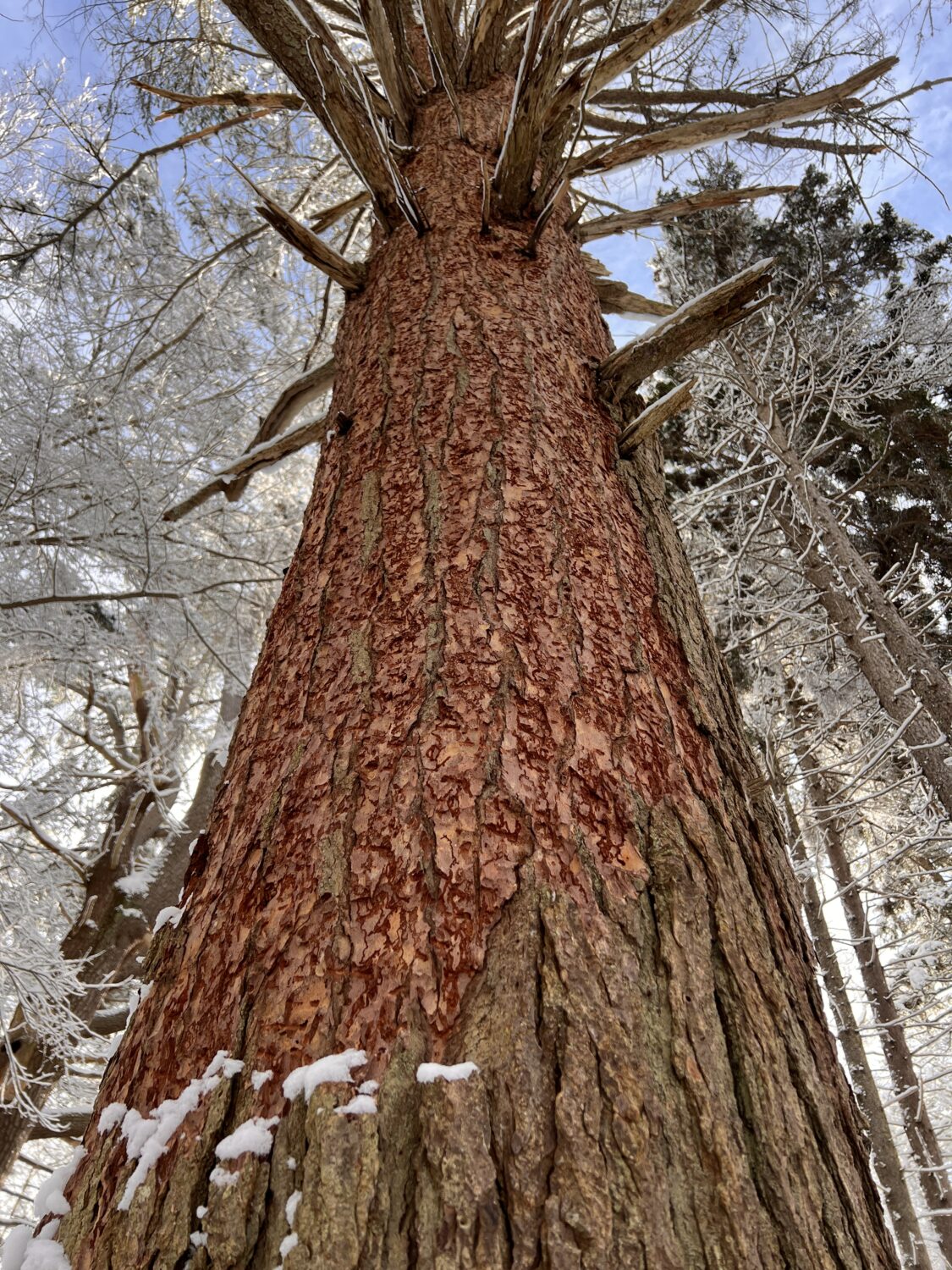
“I realize there’s something incredibly honest about trees in winter, how they’re experts at letting things go.” ~Jeffrey McDaniel
Week’s Topics:
| Winter Trees From Susan – “Check this out!”: Small Wonders: Winter Tree Bingo – Maine Audubon |
| Winter Botany (Part 1 – Floral Dissection & Plant Families) |
Prepare for class:
This class has been moved to zoom – 9am-12:15pm. Watch the recording here!
For Winter Trees – material related to bark will be covered in the summer
For Winter Botany – material related to fruiting structures will be covered at a future field class
Pre-Class Assignments:
-Read page 11-18 (Introduction) and 46-57 (Plant Families) in Wildflowers of New England
-Read pages 1-5 in Winter Weed Finder
-Print the Plant Family Diagrams PDF for class and review the 7 families listed in Learning Goal #1
Bring to Class:
–Winter Trees Student Study Guide PDF
-Forest Trees of Maine book
–Twig Terminology PDF
–Tree Bark ID PDF – print (black & white is fine)
–Winter Botany Student Study Guide PDF
–Plant Family Diagrams pdf
–Perfect Flower Handout pdf
-Two twigs
-Either a tulip or a lily along with a sharp knife, razor blade, scalpel
-Wildflowers of New England book by Ted Elliman
-Winter Weed Finder by Dorcas S Miller
-Hand Lens and Ruler
-Notebook and writing implement(s)
Homework:
| Due at this class: Nothing specific is due at this class however you have previous assignments you should be working on: Winter Tree HW (due 3/26): ▢ Tree characteristics sketches and descriptions ▢ Winter Trees Quiz ▢ Adopt a Tree exercise started and Bird HW (due 4/9): ▢ Bird Beaks Worksheet ▢ Bird Topic Quiz ▢ Bird ID observations started |
| To be assigned: Winter Botany: ▢ Winter Botany Topic Quiz (for now don’t worry about question 4) Please complete the feedback survey for this class here. |
Thursday, March 26th
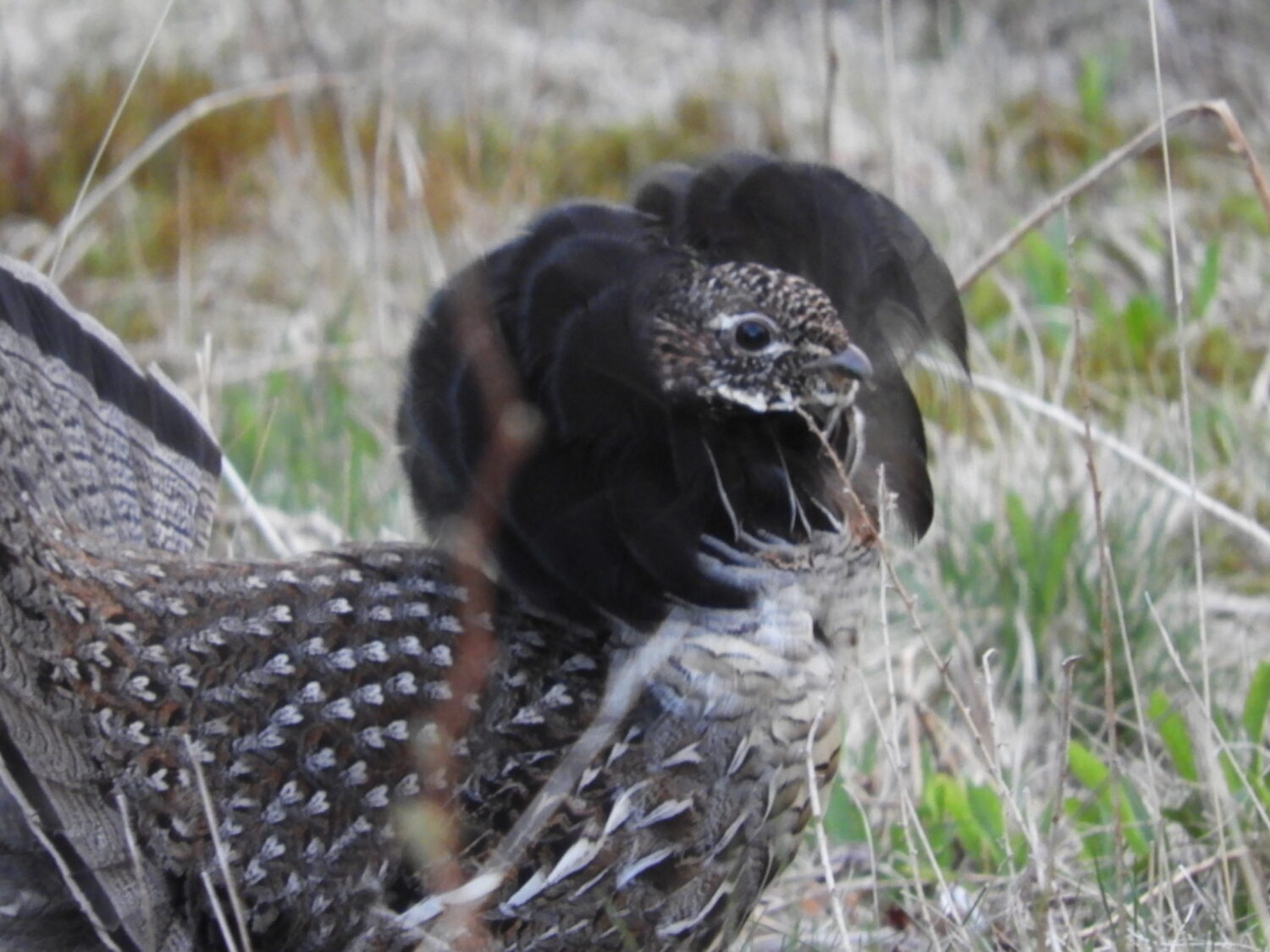
“In order to see birds it is necessary to become a part of the silence.” ~Robert Lynd
Week’s Topic:
| Birds (Part 2) |
Prepare for class:
Pre-Class Assignments:
-Follow ups from Birds (Part 1) last week
Bring to Class:
–Bird Student Study Guide PDF
-Notebook, journal, and writing implement(s)
-Sibley Field Guide to Birds of Eastern North America book
–Birds Glossary PDF
–Bird Respiration Mechanism PDF
–Hands On Birds PDF
Homework:
| Due at this class: ▢ Tree characteristics sketches and descriptions ▢ Winter Trees Quiz Completed ▢ Adopt a Tree exercise started ▢ Winter Botany Topic Quiz Completed |
| To be assigned: ▢ Nothing new to be assigned! Please review previous assignments, ensure you are staying on task with assignments ongoing! Please complete the feedback survey for this class here. |
April 2026
Thursday, April 9th
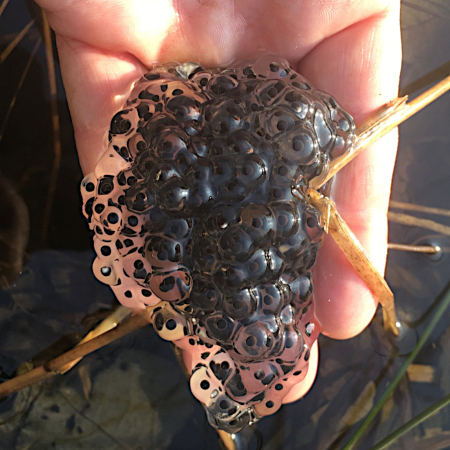
“If we can discover the meaning in the trilling of a frog, perhaps we may understand why it is for us not merely noise but a song of poetry and emotion.” ~ Adrian Forsyth
Week’s Topic:
Prepare for class:
Pre-Class Assignments:
-Read Vernal Pool Animals PDF
–Review Maine Vernal Pool Indicator Species PDF
-Read pp. 1-9 in Leo P. Kenney and Matthew R. Burne. 2009. A Field Guide to the Animals of Vernal Pools. Massachusetts Division of Fisheries and Wildlife Natural Heritage & Endangered Species Program.
Bring to Class:
–Vernal Pools Student Study Guide PDF
–Vernal Pool Animals PDF
–Review Maine Vernal Pool Indicator Species PDF
-Hand lens
-Ruler
-Writing Implements and Paper/Journal
-Leo P. Kenney and Matthew R. Burne. 2009. A Field Guide to the Animals of Vernal Pools. Massachusetts Division of Fisheries and Wildlife Natural Heritage & Endangered Species Program.
Homework:
| Due at this class: ▢ Bird Beaks Worksheet ▢ Bird Topic Quiz Completed New observations for additional ongoing assignments: ▢ Delimited Site observations ▢ Adopt a Tree observations ▢ Bird ID observations |
| To be assigned: Vernal Pools (due Apr 23rd unless noted): ▢ Observe a vernal pool over the course of 3 weeks, describe its life cycle based upon learning in class and supplemental resources (due May 2nd) ▢ Sketch and label 4 vernal pool indicator species. If possible do this on site. ▢ Vernal Pool Topic Quiz Please complete the feedback survey for this class here. |
Saturday, April 11th
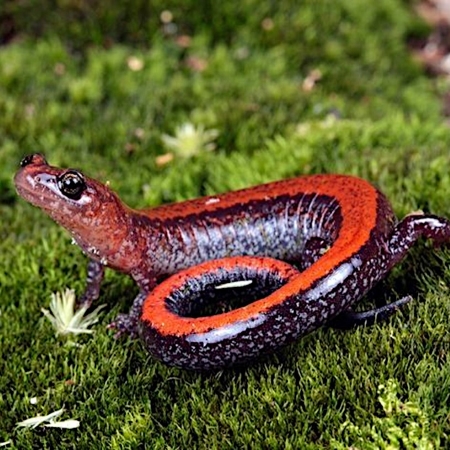
“And what is there to life if a man cannot hear the lonely cry of the whippoorwill or the arguments of the frogs around a pond at night?” ~Chief Seattle
Week’s Topics:
Prepare for class:
Pre-Class Assignments:
-Prepare for hands-on bird specimens activity
-Winter Weed Finder by Dorcas Miller – READ pages 1-5 and browse through the remainder of the book.
-Review the Glossary (pp. 445-6) in Malcolm L. Hunter, Jr., Trevor B. Persons, Aram J. K. Calhoun, Phillip G. deMaynadier, and Derek T. Yorks. 2025. Maine Amphibians and Reptiles, 3rd edition. University of Maine Press
-Read introductory material (pp. 9-65) in Malcolm L. Hunter, Jr., Trevor B. Persons, Aram J. K. Calhoun, Phillip G. deMaynadier, and Derek T. Yorks. 2025. Maine Amphibians and Reptiles, 3rd edition. University of Maine Press
-Listen to frog calls at Calls of Frogs and Toads of the Northeast
Bring to Class:
*PLEASE BRING BACK YOUR DISCOVERY BOX!
-Binoculars, hand lens, ruler
-Notebook, journal, and writing implement(s)
-Sibley Field Guide to Birds of Eastern North America book
–Herps Student Study Guide PDF
-Malcolm L. Hunter, Jr., Trevor B. Persons, Aram J. K. Calhoun, Phillip G. deMaynadier, and Derek T. Yorks. 2025. Maine Amphibians and Reptiles, 3rd edition. University of Maine Press
-Dorcas Miller handouts:
○ Identifying Snake By Its Skin handout
○ Maine Turtles Chart handout
–Lab Activities-Maine Herps PDF
–Lab Activity-Snakes Of Maine PDF
–Snakes in Maine PDF
-Winter Weed Finder by Dorcas Miller
–Bird Respiration Mechanism PDF
-Sibley Field Guide to Birds of Eastern North America book
–HOB Handout & Revised Bills/Feet Page
Homework:
| Due at this class: ▢ Vernal Pool Observations Started |
| To be assigned: Herps (due Apr 23rd): ▢ Answer study questions ▢ Sketch and label the unique physical characteristics and habitat of TWO of EACH of the following native Maine herps: snakes, turtles, frogs, salamanders (8 species – include common and scientific names.) Ideally, sketch from observations in the field. Selections must not be vernal pool indicator species. ▢ Complete Herp Topic Quiz Winter Weeds (due May 2nd): ▢ Collect 5 fruiting structures, sketch them in your journal and add the additional information noted in the Winter Botany PDF Please complete the feedback survey for this class here. |
Thursday, April 23rd
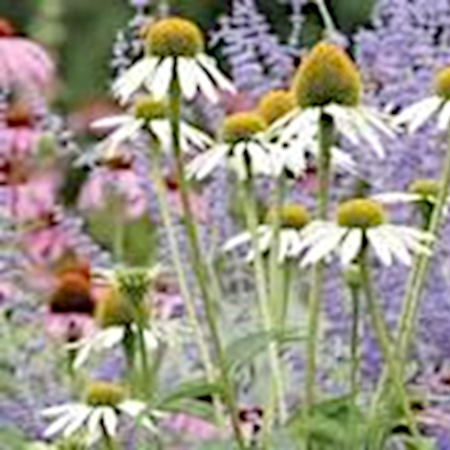
“May your life be like a wildflower, growing freely in the beauty and joy of each day.” ~Native American Proverb
Week’s Topic:
Prepare for class:
Pre-Class Assignments:
-Ted Elliman and Native Plant Trust. 2016. Wildflowers of New England. Timber Press. READ pages 11-25 (Some of this–pp. 11-18– was originally assigned in Winter Botany) and examine the diagrams on the inside front and back covers.
-Review your notes, vocabulary, and handouts from Winter Botany.
-Review Flower Traits slideshow here: https://learn.genetics.utah.edu/content/flowers/flowertraits/
-Play matching game here: https://learn.genetics.utah.edu/content/flowers/matchflowerpollinator/
Bring to Class:
–Wildflower Student Study Guide PDF
-Notebook and writing implement(s)
-Ted Elliman and Native Plant Trust. 2016. Wildflowers of New England. Timber Press
-Hand lens and ruler
–Plant Families PDF (from Winter Botany)
Homework:
| Due at this class: ▢ Vernal Pool indicator species sketches and label 4 vernal pool indicator species. If possible do this on site. ▢ Vernal Pool Topic Quiz Completed ▢ Herp study questions ▢ Herp Sketches ▢ Herp Topic Quiz Completed |
| To be assigned: Wildflowers: ▢ Ongoing assignment – Identify a minimum of 50 wildflowers. Record the following information: common name, scientific name, plant family, key characteristics for identification, date, habitat. Discuss the format of this homework with your mentor. ▢ Sketch at least 5 of the wildflowers you identify. Ideally sketch from observations in the field. Represent several different families Vernal Pools: ▢ Complete vernal pool observations Please complete the feedback survey for this class here. |
May 2026
Saturday, May 2nd
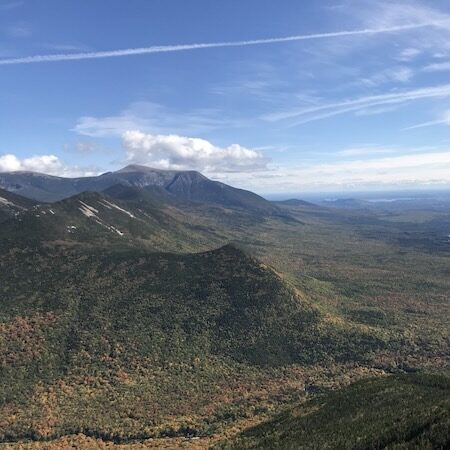
“We have altered the physical, chemical and biological properties of the planet on a geological scale. We have left no part of the globe untouched.” ~David Suzuki
Week’s Topics:
Prepare for class:
Pre-Class Assignments:
-Students should watch provided video links before class:
a. The rock cycle: https://www.youtube.com/watch?v=BgJ74KKZyD4 (4:30)
b. Plate Tectonics: https://www.youtube.com/watch?v=zbtAXW-2nz0 (9:00)
c. Glaciers overview: https://www.youtube.com/watch?v=HEStq4VYJ2Y (9:00)
d. Maine Coast Geology: https://vimeo.com/647287557 (1:09:00)
-Visit the Maine Geological Survey website. Look up a local address or site and see what comes up.
Bring to Class:
–Vernal Pool Student Study Guide
-Leo P. Kenney and Matthew R. Burne. 2009. A Field Guide to the Animals of Vernal Pools. Massachusetts Division of Fisheries and Wildlife Natural Heritage & Endangered Species Program.
–Vernal Pool Animals PDF
–Maine Vernal Pool Indicator Species PDF
–Geology Student Study Guide
-Bedrock and Surficial Geology maps of Maine
–Geology Glossary PDF
-Hand Lens
-Ruler
-Writing Implements and Paper/Journal
Homework:
| Due at this class: ▢ Vernal Pool Observations Completed ▢ Winter Weeds fruiting structure sketches New observations for ongoing assignments: ▢ Delimited Site observations ▢ Adopt a Tree observations ▢ Bird ID observations ▢ Wildflower observations |
| To be assigned: Geology (due May 14th): ▢ Visit a site from the Maine Geological Survey and/or Maine Ice Age Trail. Write a brief description of what you learned. ▢ Use resources on the Maine Geological Survey to briefly describe key geological features of either your home address, your delimited site, or a place you might lead a walk. Please complete the feedback survey for this class here. |
Thursday, May 14th
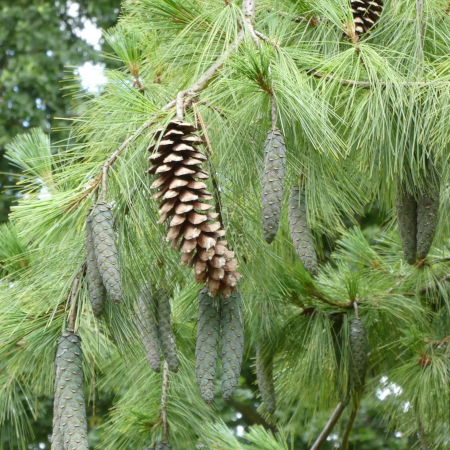
“The creation of a thousand forests is in one acorn.” ~Ralph Waldo Emerson
Week’s Topic:
Prepare for class:
Pre-Class Assignments:
-Read pages 14-19 and 20-21 of Maine Forest Service. 2008. Forest Trees of Maine:1908-2008. Department of Conservation/Maine Forest
–Forest Trees of Maine Index PDF
-Read Andrew Barton, Alan White and Charles Cogbill. Summer 2013. “Reconstructing the Past: Maine Forests Then and Now.” Northern Woodlands. PDF
-Read Sally Stockwell. 2018. “Diverse, Resilient, Intact: The Unique Nature of Maine’s North Woods.” Habitat. Maine Audubon. PDF
Bring to Class:
–Summer Trees Student Study Guide PDF
-Hand Lens
-Ruler
-Writing Implements and Paper/Journal
-Maine Forest Service. 2008. Forest Trees of Maine:1908-2008. Department of Conservation/Maine Forest
–Maine Tree Families PDF
–MMNP Tree Key PDF (an adaption of the summer tree key found in Forest Trees of Maine)
Homework:
| Due at this class: ▢ Maine Geological Survey and/or Maine Ice Age Trail Site Visit Write-up ▢ Geological features Write-up |
| To be assigned: Summer Trees (due May 21st unless noted): ▢ For four native species, A) collect the leaves, B) press, C) mount, and D) label the specimens with scientific name, common name, date collected, location. ▢ Using your four mounted specimens, record the following in your journal: A) sketch and label the leaves, B) describe the leaf characteristics using appropriate vocabulary, C) describe the tree’s preferred habitat and compare to where you found it. ▢ Ongoing assignment – Continue the Adopt a Tree Activity (started this activity during the Winter Trees topic) Observations should continue to be recorded in journal. Please complete the feedback survey for this class here. |
Thursday, May 21st
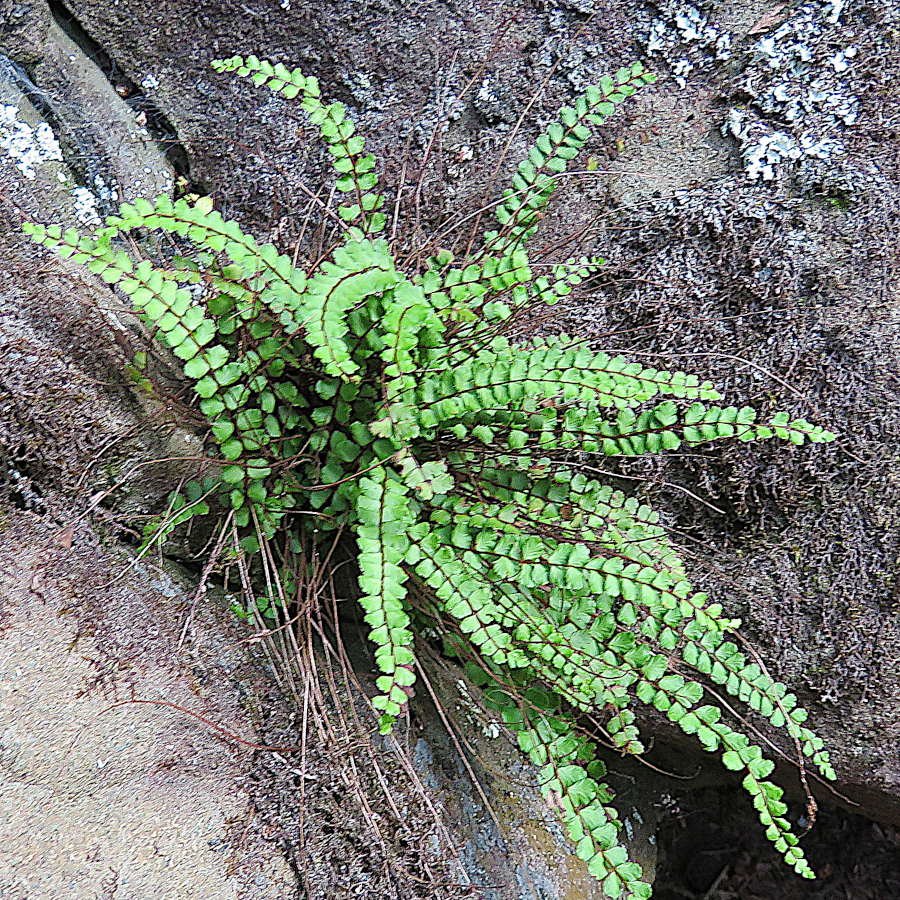
“Always be on the lookout for the presence of wonder.” ~E.B. White
Week’s Topic:
Prepare for class:
Pre-Class Assignments:
-Read pp. 1-7 in Anne C. Hallowell and Barbara Hallowell. 2025. Fern Finder Fern Finder: Identifying Native Ferns of Central and Northeastern North America. Nature Study Guides
-Review the Fern Morphology PDF
-Review the headings & notes of the Common Maine Fern Chart PDF
Bring to Class:
–Ferns Student Study Guide
-Hand Lens
-Ruler
-Writing Implements and Paper/Journal
-Anne C. Hallowell and Barbara Hallowell. 2025. Fern Finder Fern Finder: Identifying Native Ferns of Central and Northeastern North America. Nature Study Guides
–Fern Morphology PDF
–Comparison Spore vs Seed PDF
–Common Maine Ferns Chart PDF
-Fern sets (distributed at May 2 field day)
-Key to Fern Finder by Dorcas Miller
Homework:
| Due at this class: ▢ Collect and Mount four native species ▢ Mounted species journal observations ▢ Ongoing assignment – Adopt a Tree observations |
| To be assigned: Ferns (due Jun 6th): ▢ Key out at least 6 different ferns you encounter. Note common and scientific name in your journal along with 2-4 diagnostic characteristics. Sketch those characteristics if you wish. ▢ Collect fronds from at least three species of ferns. Dry, press, mount and label these species for your collection and for use with others post-graduation. Watch the two YouTube videos on Reproductive Cycle of Ferns and Swimming Fern Sperm. ▢ Fern Topic Quiz Please complete the feedback survey for this class here. |
June 2026
Saturday, June 6th
“Successful knowledge transfer involves neither computers nor documents but rather interactions between people.” — Thomas Davenport
Week’s Topics:
Prepare for class:
Pre-Class Assignments:
-Re-read Volunteering section of Student Handbook
-Read Considerations for Leading Your First Nature Walk
Bring to Class:
–Summer Trees Student Study Guide PDF
-Hand Lens
-Ruler
-Writing Implements and Paper/Journal
-Maine Forest Service. 2008. Forest Trees of Maine:1908-2008. Department of Conservation/Maine Forest
–Maine Tree Families PDF
–MMNP Tree Key PDF (an adaption of the summer tree key found in Forest Trees of Maine)
–Ferns Student Study Guide
-Anne C. Hallowell and Barbara Hallowell. 2025. Fern Finder Fern Finder: Identifying Native Ferns of Central and Northeastern North America. Nature Study Guides
–Fern Morphology PDF
–Comparison Spore vs Seed PDF
–Common Maine Ferns Chart PDF
-Fern sets (distributed at May 2 field day)
-Key to Fern Finder by Dorcas Miller
Homework:
| Due at this class: ▢ 6 different ferns journal observations ▢ 3 fronds mounted ▢ Watched the two YouTube videos on Reproductive Cycle of Ferns and Swimming Fern Sperm. ▢ Fern Topic Quiz Completed |
| To be assigned: Volunteering (due Jun 11th): ▢ Complete Volunteer Organization Contact Form ▢ Reminder: Attend/make a plan to attend an organized walk and provide a critique (prior to July) ▢ Reminder: Attend/make a plan to attend an organized bird walk and provide a critique (prior to July) ▢ Reminder: To complete a summer birding outing trip and create a report (prior to July) Please complete the feedback survey for this class here. |
Thursday, June 11th
“If you truly love nature, you will find beauty everywhere.” ~Vincent Van Gogh
Week’s Topic:
| Insects Watch the zoom recording here. |
Prepare for class:
Pre-Class Assignments:
-Read the Insect section of the MMNP Student Handbook for information on collecting, preserving, and displaying a collection
-Read Tom Murray. 2012. Insects of New England and New York. Kollath-Stensaas Publishing, pp. 1-3 and Introductory page for each of the 7 common orders (Coleoptera, Diptera, Hemiptera, Hymenoptera, Lepidoptera, Odonata, and Orthoptera).
Bring to Class:
–Insect Student Study Guide
-Hand Lens
-Ruler
-Writing Implements and Paper/Journal
-Magnifying box
-Tom Murray. 2012. Insects of New England and New York. Kollath-Stensaas Publishing.
–Maine Insect Orders Chart PDF
–Pictorial Key to Orders of Adult Insects Purdue Univ PDF
–Types of Insect Mouth Parts PDF
Homework:
| Due at this class: ▢ Volunteer Organization Contact Form Completed New observations for ongoing assignments: ▢ Delimited Site observations ▢ Phenology observations ▢ Adopt a Tree observations ▢ Bird ID observations |
| To be assigned: Insects (due Jun 25th): ▢ Collect, preserve, properly mount and identify by Order 10 insects from at least 5 different orders of insects. ▢ Observe the behavior of at least 3 species of live insects and record observations in your journal. ▢ Observe and identify by common name 3 different types of non-insect arthropods. Record, describe and sketch them in your journal. Please complete the feedback survey for this class here. |
Thursday, June 25th
“Humankind has not woven the web of life. We are but one thread within it. Whatever we do to the web, we do to ourselves” ~Chief Seattle
Week’s Topic:
| Aquatic Ecology Watch the zoom recording here. |
Prepare for class:
Pre-Class Assignments:
-Read Stream Survey Manual Vol 1 excerpt PDF[Full Maine DEP Stream Survey Manual Vol I available https://www.maine.gov/dep/water/monitoring/rivers_and_streams/vrmp/stream-survey-manual/survmanv1_mainbody.pdf]
-Watch YouTube Macroinvertebrates! Vermont Audubon. https://www.youtube.com/watch?v=uoR1ha_Jeuc (7 minutes)
-Browse the Macroinvertebrate Photo Gallery – from Stroud Water Research Center, available here: https://stroudcenter.org/macros/gallery/
Bring to Class:
–Aquatic Ecology Student Study Guide PDF
-Notebook and writing implement(s)
-Hand Lens
–Key to Macroinvertebrate Life in the River PDF
–Key to Macroinvertebrate Life in the Pond PDF
–Maine Stream Explorers Basic Field Data Sheet PDF
Homework:
| Due at this class: ▢ Insect Mounted and Identified ▢ Live insect observations ▢ Non-insect arthropod observations ▢ Attended and critique of organized walk ▢ Attended and critique of bird walk |
| To be assigned: Aquatic Ecology (due 18th): ▢ Aquatic Ecology Topic Quiz ▢ Identify a specific stream/pond near your delimited site and follow the path of water through its watershed. -Explore a bit of this stream/pond. Did you find any macroinvertebrates? If so, what does that imply for this body of water? -Speculate: which of the major Maine watersheds does the water you referenced in #1 end up in? Birding: Summer birding trip report (due prior to July) Please complete the feedback survey for this class here. |
July 2026
Saturday, July 18th
“In every walk with nature one receives far more than he seeks.” ~John Muir.
Week’s Topics:
Prepare for class:
Pre-Class Assignments:
-Please review the schedule for the day here
-Refresh on the Considerations for Leading Your First Nature Walk tips
Bring to Class:
–Aquatic Ecology Student Study Guide PDF
-Notebook and writing implement(s)
-Hand Lens and ruler
–Key to Macroinvertebrate Life in the River PDF
–Key to Macroinvertebrate Life in the Pond PDF
–Maine Stream Explorers Basic Field Data Sheet PDF
–Insect Student Study Guide
-Magnifying box
-Tom Murray. 2012. Insects of New England and New York. Kollath-Stensaas Publishing.
–Maine Insect Orders Chart PDF
–Pictorial Key to Orders of Adult Insects Purdue Univ PDF
–Types of Insect Mouth Parts PDF
–Insect Gall Information Sheet
Homework:
| Due at this class: ▢ Aquatic Ecology Topic Quiz Completed ▢ Identify a specific stream/pond near your delimited site and follow the path of water through its watershed. -Explore a bit of this stream/pond. Did you find any macroinvertebrates? If so, what does that imply for this body of water? -Speculate: which of the major Maine watersheds does the water you referenced in #1 end up in? ▢ Summer birding trip report Completed New observations for ongoing assignments: ▢ Delimited Site observations ▢ Phenology observations ▢ Adopt a Tree observations |
| To be assigned: Volunteering (due Jul 23rd): ▢ Complete Concerns about Volunteering write-up ▢ Prepare to present a short lesson/walk to your mentor group at next field day (Aug 1st) Reminder: To complete a fall birding outing trip and create a report (prior to September) Please complete the feedback survey for this class here. |
Braiding Indigenous Knowledge As A Maine Master Naturalist
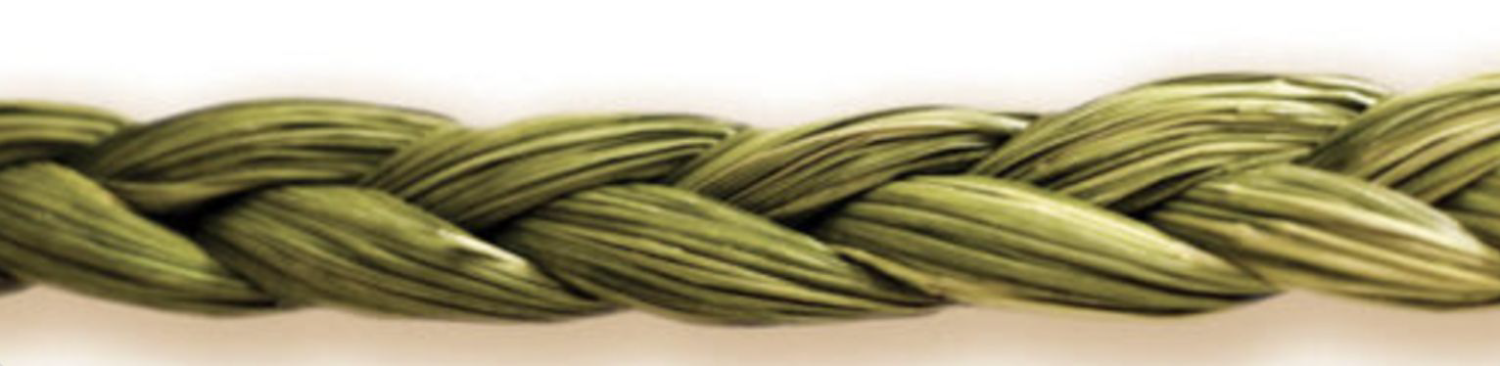
Watch the zoom recording here.
Powerpoint of the slideshow + resources here.
Please provide comments and feedback about this class here.
August 2026
Saturday, August 1st
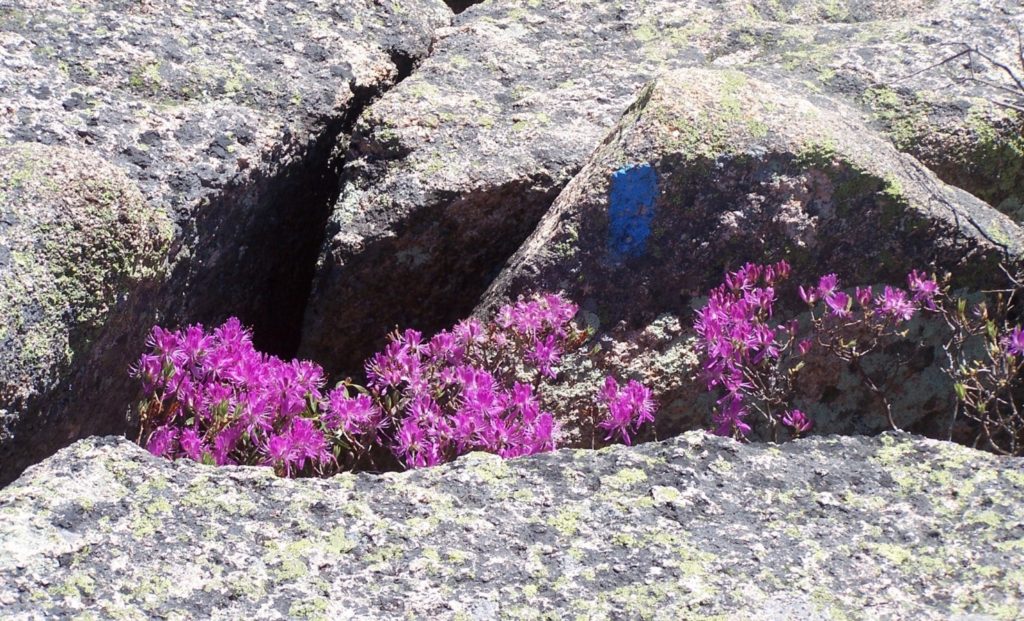
“The landscape you grow up in speaks to you in a way that nowhere else does.” ~Molly Parker
Week’s Topics:
Prepare for class:
***We will meet at Jerry Pond for this class. Exact location here. ***
–Schedule & Groupings for the day.
Pre-Class Assignments:
-This week each student will lead a short walk and lesson for the mentor groups. Please come prepared to complete this activity.
-Review your notes, vocabulary, and handouts from the Wildflowers lecture.
Bring to Class:
–Wildflower Student Study Guide PDF
-Notebook and writing implement(s)
-Ted Elliman and Native Plant Trust. 2016. Wildflowers of New England. Timber Press
-Hand lens and ruler
–Plant Families PDF (from Winter Botany)
Homework:
| Due at this class: ▢ Short Lesson/walk prepared New observations for ongoing assignments: ▢ Delimited Site observations ▢ Phenology observations ▢ Adopt a Tree observations ▢ Bird ID observations ▢ Wildflower observations |
| To be assigned: ▢ Winter Botany Topic Quiz Question 4 ▢ Take time to catch up on any previously missed assignments! Please complete the feedback survey for this class here. *Reserve a dish on our potluck list that you are willing to make for graduation. |
Thursday, August 13th
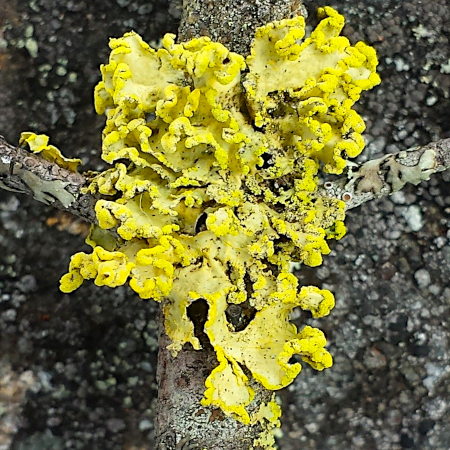
“Of what a strange nature is knowledge! It clings to a mind when it has once seized on it like a lichen on a rock.” ~Mary Shelley
Week’s Topic:
Prepare for class:
Pre-Class Assignments:
-Read pages 1-14 of “Lichens of the North Woods”.
-Thoroughly review bold vocabulary from the MMNP Lichen Glossary.
Bring to Class:
–Lichen Student Study Guide PDF
-Notebook and writing implement(s)
-Hand lens
-Lichens of the North Woods by Joe Walewski
–Lichen Glossary PDF
–Dorcas S. Miller handout: When Identifying a Lichen Consider: PDF
Homework:
| Due at this class: ▢ Winter Botany Topic Quiz Question 4 New observations for ongoing assignments: ▢ Delimited Site observations ▢ Phenology observations ▢ Adopt a Tree observations ▢ Bird ID observations |
| To be assigned: Lichens (due Aug 27th): ▢ Sketch at least 8 different lichens. For each determine the form and identify any reproductive structures. ▢ Lichen Topic Quiz Please complete the feedback survey for this class here. *Reserve a dish on our potluck list that you are willing to make for graduation. |
Thursday, August 27th
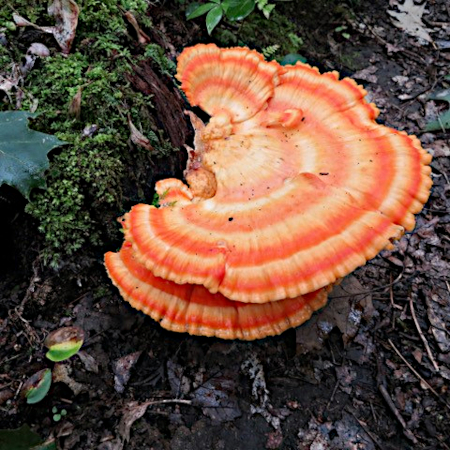
“Mushrooms hold the secrets to the universe, to life on our planet, and the core of our being.” ~Paul Stamets
Week’s Topic:
| Fungi/Mushrooms Here is the recording for this class. |
Prepare for class:
Pre-Class Assignments:
-Download & review Fungi Characteristics Structure and Ecology PDF
-Download & review Photographic Guide to Fungi Shapes PDF
-Try to get into a “fungi frame of mind” before class, by sharpening your focus in fungi as you are outdoors. What do you notice on your own?
Bring to Class:
–Fungi Student Study Guide PDF
-Notebook and writing implement(s)
-Hand lens
-Ruler
-Lawrence Millman. 2012. Fascinating Fungi of New England. Kollath-Stensaas Publishing
–Fungi Characteristics, Structure, and Ecology PDF
–Photographic Guide to Major Fungi Shapes PDF
–Fungi Glossary PDF
-OPTIONAL – student owned mushroom field guide
Homework:
| Due at this class: ▢ Sketches and id of 8 different lichens ▢ Complete Lichen Topic Quiz Completed |
| To be assigned: Fungi (due Sept 2nd): ▢ Find 1 fungus from at least 3 different shape groups. You do not need to identify it! Sketch them and label the various major parts (cap, stem, gills, pores, veil/ring, base, or volva, etc.). Describe each mushroom in detail using sight, touch, smell, hearing. Describe the habitat in which you found each and the surrounding habitat. ▢ Fungi Topic Quiz Birding: Fall birding trip report (due prior to Sept) Please complete the feedback survey for this class here. *Reserve a dish on our potluck list that you are willing to make for graduation. |
September 2026
Thursday, September 10th
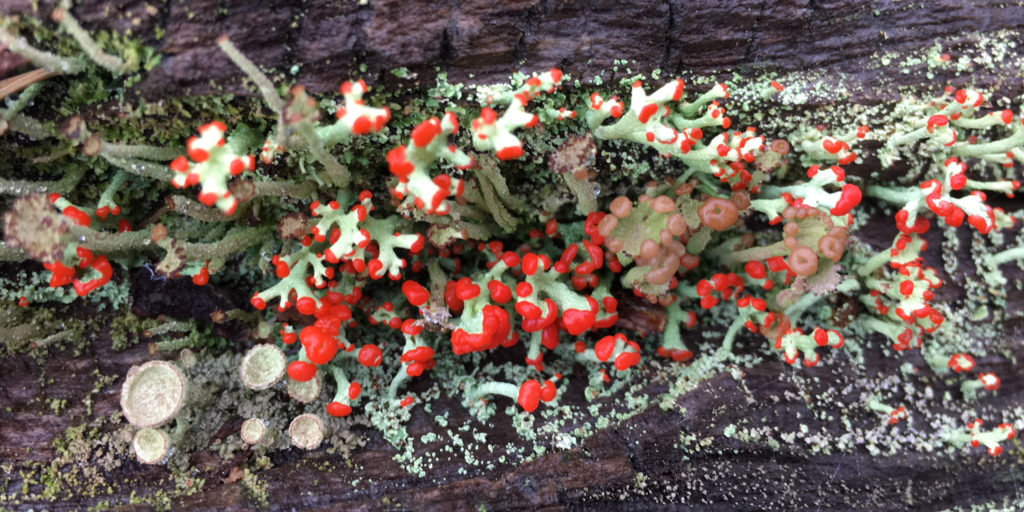
“The earth has music for those who listen.” ~William Shakespeare
Week’s Topics:
| Mosses This is an enrichment class (there is no homework!). |
Prepare for class:
Pre-Class Assignments:
While this is not required, it would be helpful if you spend some time in the woods noticing where moss lives and the forms it takes when you look closely.
You may also want to download and review the handout by Alice Noyes that in the Moss Folder in your student course materials.
Bring to Class:
– Student Study Guide
– Loupe
– Fern collection provided by Ellen at August field day
– Fill spray bottle before class
– Moss handout by Alice Noyes
– Ellen will distribute a PDF of the slide deck on the afternoon of 9/10
Homework:
| Due at this class: ▢ Fungi observations ▢ Fungi Topic Quiz Completed ▢ Fall birding trip report Completed |
| To be assigned: Volunteering (due Sept 12th): ▢ Begin nature program summary and detailed plan, please make sure your mentor reviews this plan before you make your final presentation Please complete the feedback survey for this class here. *Reserve a dish on our potluck list that you are willing to make for graduation. |
Saturday, September 12th
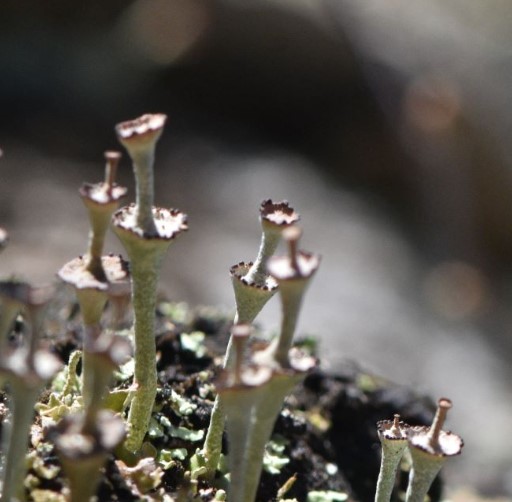
“Study nature, love nature, stay close to nature. It will never fail you.” ~Frank Lloyd Wright
Week’s Topics:
Prepare for class:
Pre-Class Assignments:
-Optional for the field day – collect 1-4 interesting fungi and bring to the field day.
-Review the documents in the Forest Communities Folder
Bring to Class:
–Lichen Student Study Guide PDF
-Notebook and writing implement(s)
-Hand lens
-Lichens of the North Woods by Joe Walewski
–Lichen Glossary PDF
–Dorcas S. Miller handout: When Identifying a Lichen Consider: PDF
–Fungi Student Study Guide PDF
-Notebook and writing implement(s)
-Hand lens
-Ruler
-Lawrence Millman. 2012. Fascinating Fungi of New England. Kollath-Stensaas Publishing
–Fungi Characteristics, Structure, and Ecology PDF
–Photographic Guide to Major Fungi Shapes PDF
–Fungi Glossary PDF
-OPTIONAL – student owned mushroom field guide
Homework:
| Due at this class: ▢ Nature Program Summary and Plan started |
| To be assigned: ▢ Make final observations for ongoing assignments! ALL HW ASSIGNMENTS DUE AT NEXT MEETING DATE (Sept 24th) Please complete the feedback survey for this class here. *Reserve a dish on our potluck list that you are willing to make for graduation. |
Thursday, September 24th
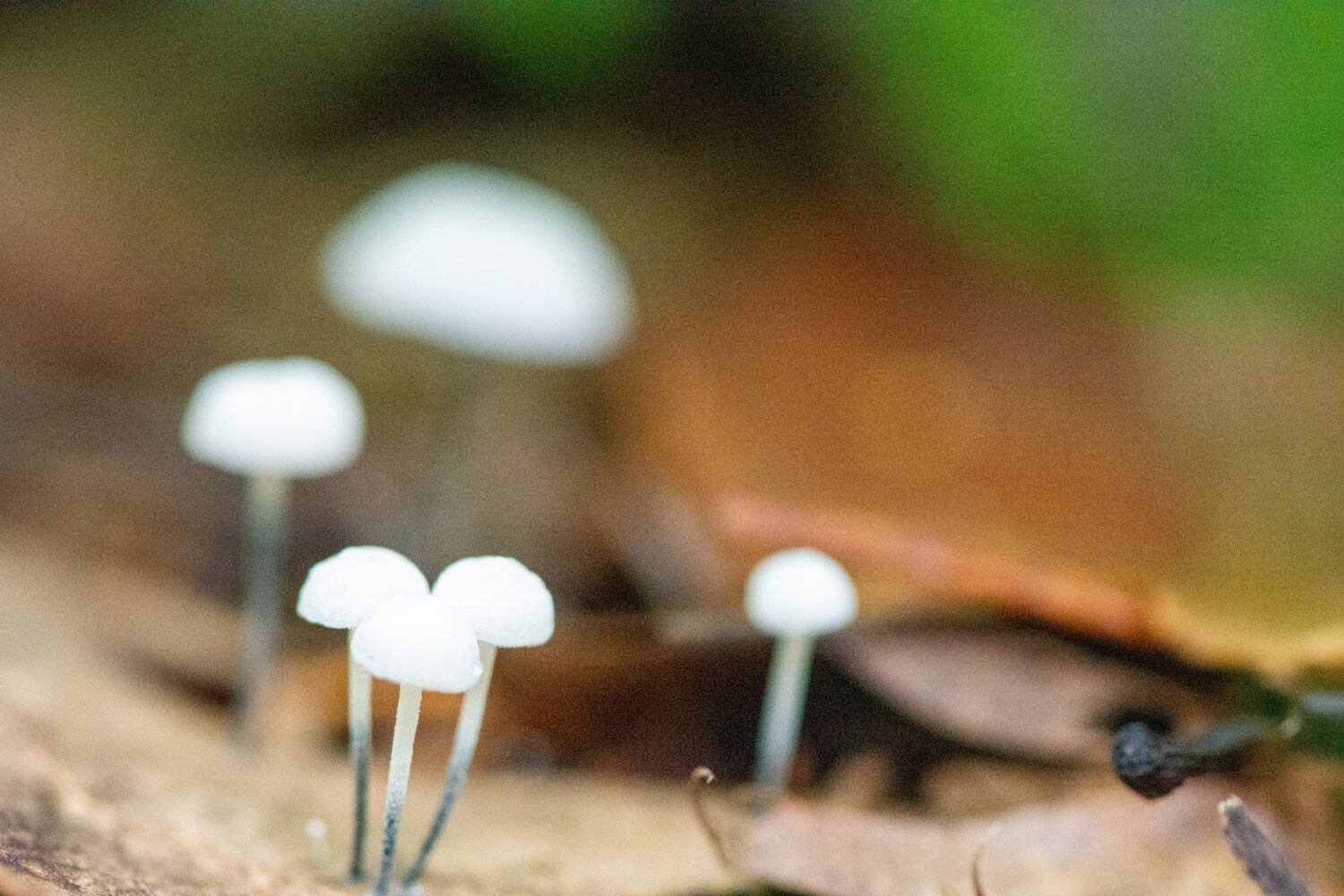
“Nature does not hurry, yet everything is accomplished.” ~Lao Tzu
Prepare for class:
This week we plan to wrap up and discuss stories of the land with a presentation by author and retired Maine Park Ranger Tim Caverly and his wife Susan.
Also please come prepared with final questions and be ready to submit all outstanding homework assignments.
Homework:
| Due at this class: ALL OUTSTANDING HW ASSIGNMENTS DUE AT THIS DATE! |
| To be assigned: Volunteering (due Oct 2nd): ▢ Finalize and prepare final presentation for final meeting date Please complete the feedback survey for this class here. *Reserve a dish on our potluck list that you are willing to make for graduation. |
October 2026
Saturday, October 3rd
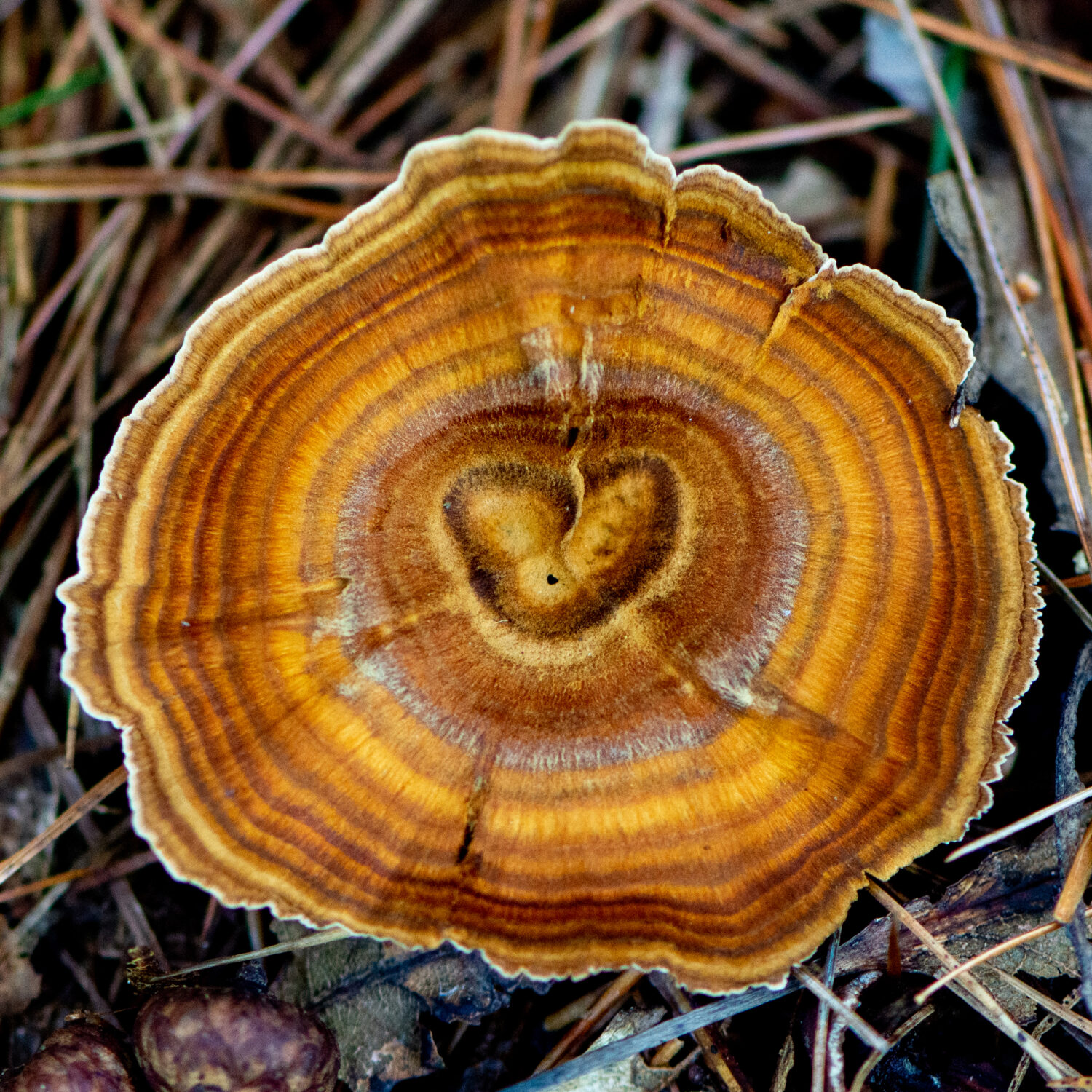
“In all things of nature there is something of the marvelous.” ~Aristotle
Prepare for class:
Today everyone will complete their volunteer presentations then we will celebrate graduation!
Please reserve a dish on our potluck list that you are willing to make for graduation.
___________________
Welcome to your final class session! You made it! Woo-hoo!
Today we celebrate an incredible achievement—the successful completion of this year-long program. This accomplishment represents far more than attending classes or completing assignments. It reflects a year of curiosity, perseverance, dedication, and a deep commitment to understanding and stewarding Maine’s natural world.
Throughout this journey, you invested countless hours in learning, exploring, observing, and growing as naturalists. You embraced new challenges, expanded your knowledge, shared your experiences, and demonstrated a genuine passion for the environment and your communities. Your commitment to the coursework, volunteer service, and lifelong learning is a testament to your hard work and determination.
As graduates of this program, you join a community of individuals dedicated to fostering appreciation, understanding, and conservation of Maine’s diverse ecosystems. The knowledge and skills you have gained will continue to inspire others and make a meaningful impact in the places where you live, work, and volunteer.
We are proud of all that you have achieved and have been honored to guide you along this journey.
Congratulations on this well-deserved accomplishment! We look forward to the many ways you will continue to make a difference in the years ahead.
Welcome to the nexus of naturalists!
-Cathy, Ellen, Grace, and Bill